
Step interrupted
Recognizing and Understanding
Freezing of Gait in Parkinson’s Disease
Freezing of Gait
“Freezing of gait” can stop a person in their tracks – literally.
Step Interrupted brings that moment into focus. The instant when movement falters and time seems to slow. Through real patient footage and expert narration, the seven-part series captures the subtle shifts before, during and after a freezing episode. For patients, caregivers and clinicians alike, Step Interrupted aims to help to transform a clinical symptom into something better seen and understood.
About
About the Series.
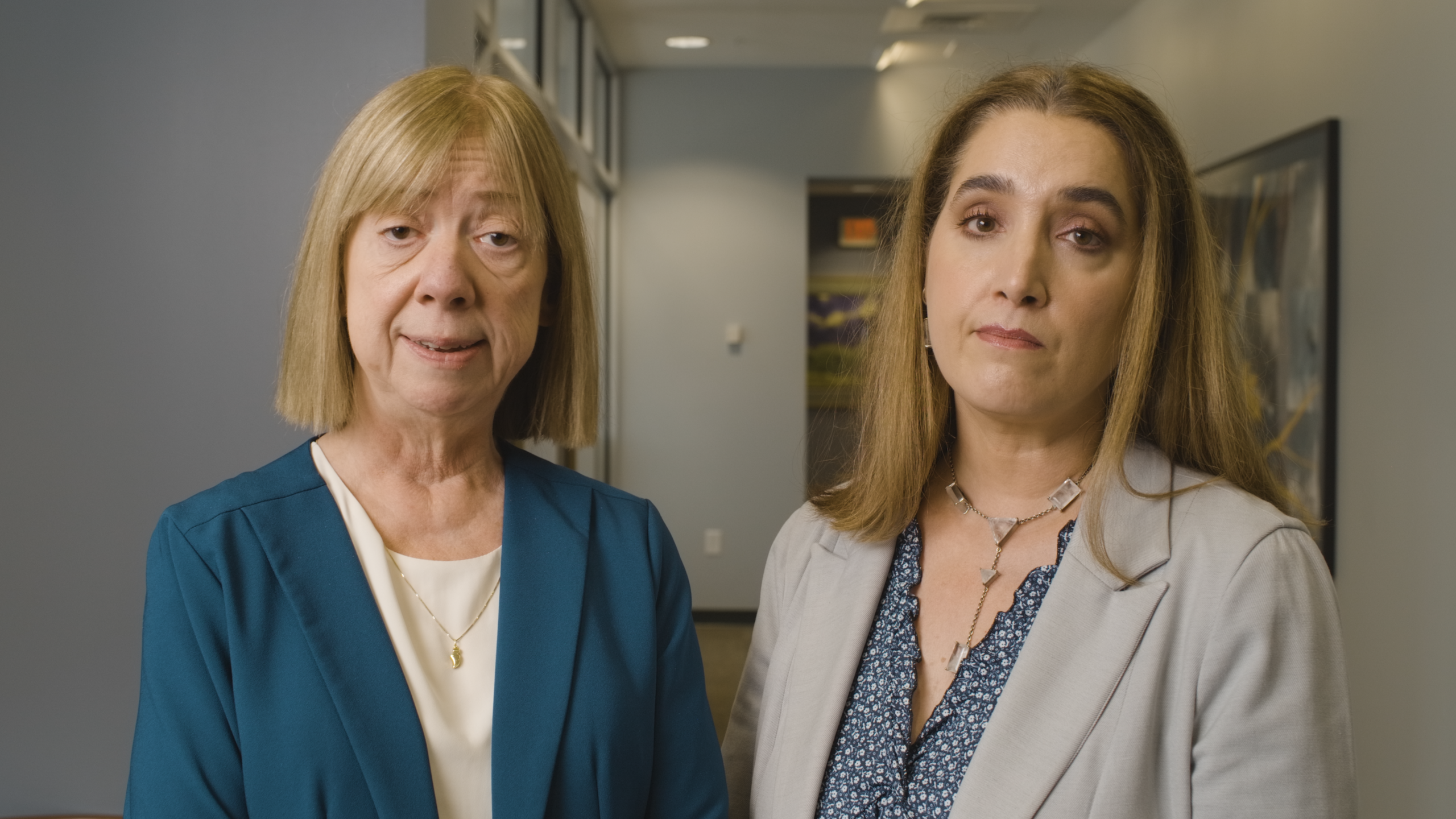
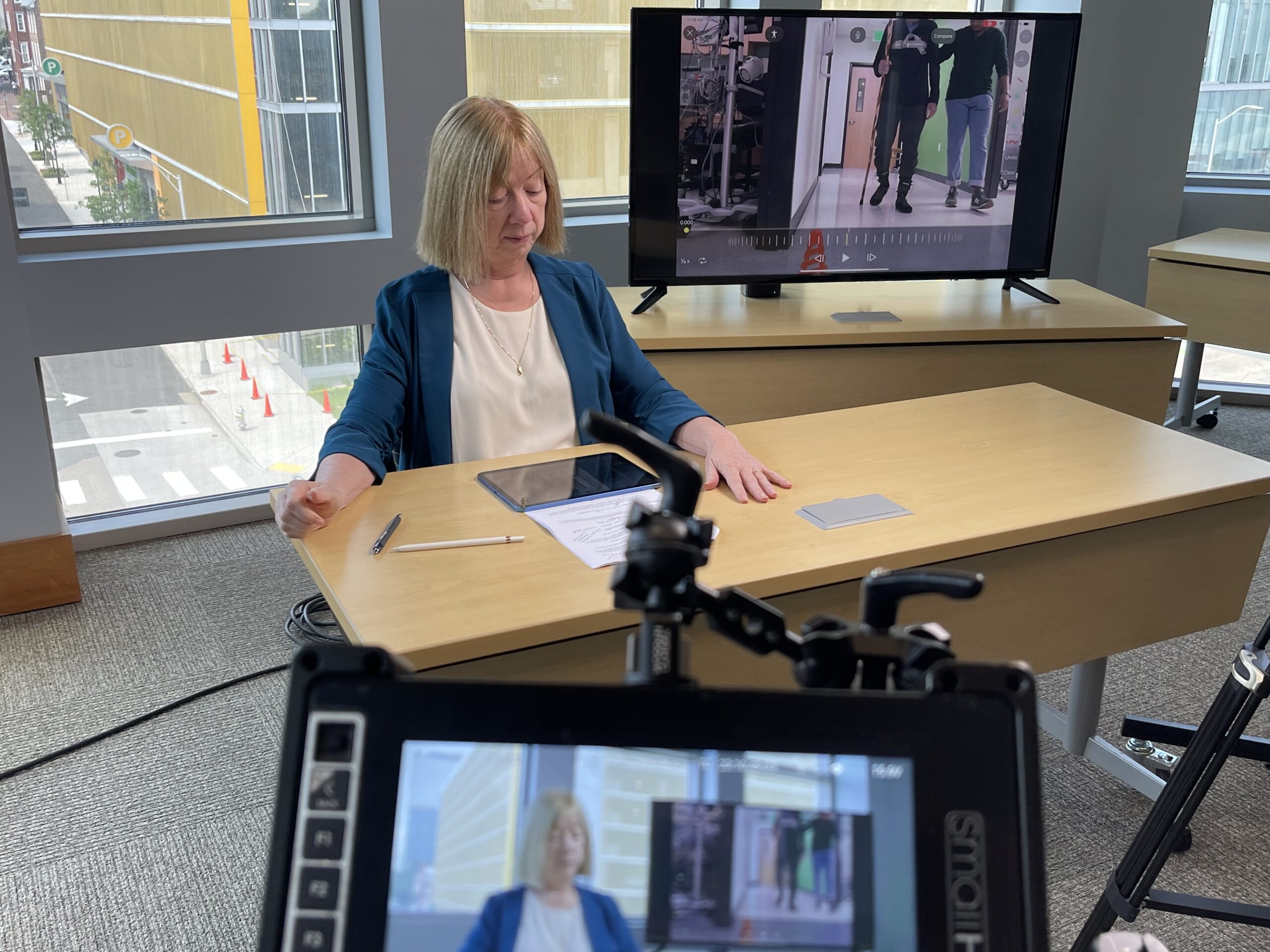
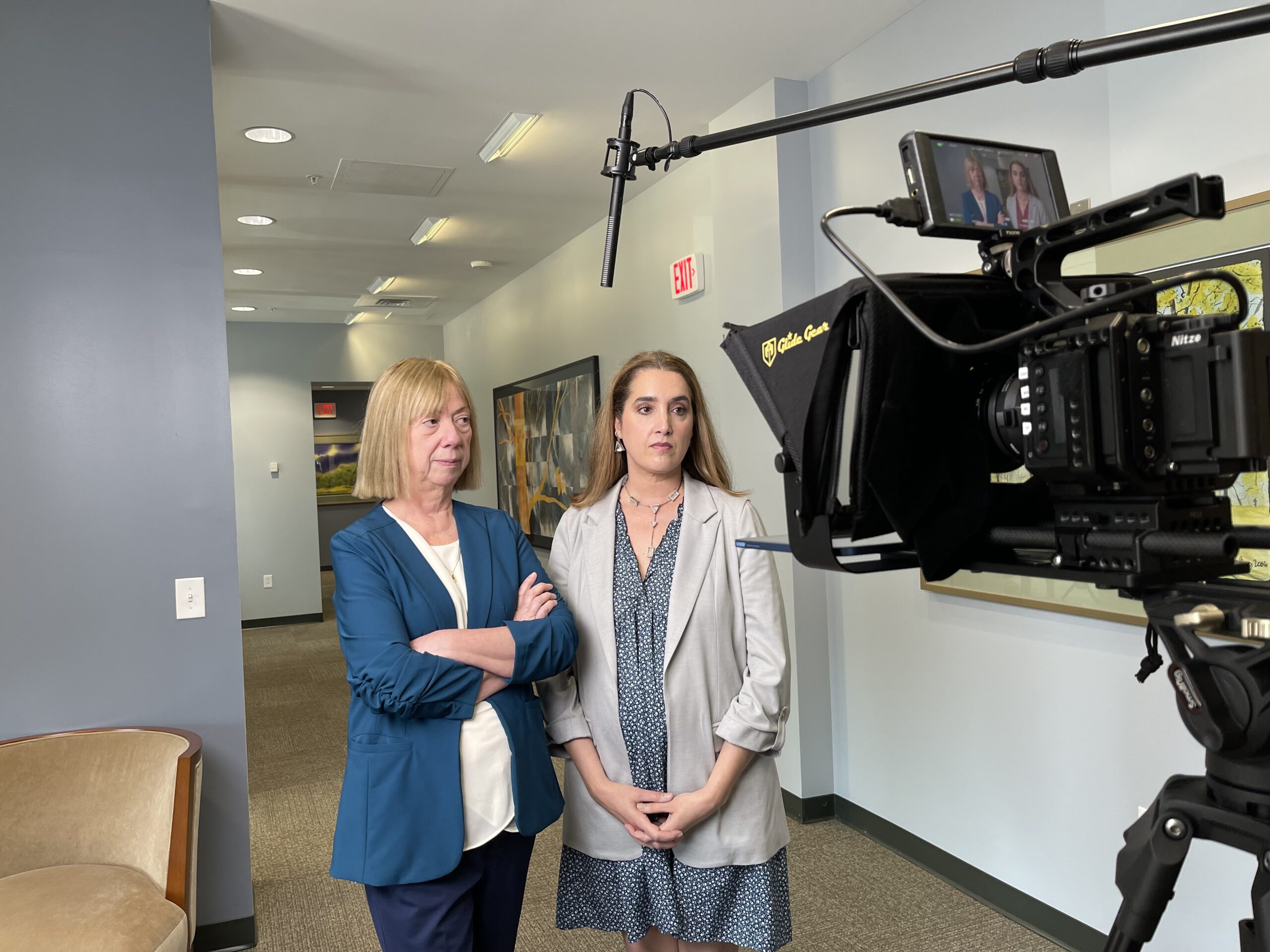
Created by Ingrid Pretzer-Aboff, Ph.D., a nurse scientist focused on improving quality of life for people with Parkinson’s, and Leslie Cloud, M.D., a neurologist specializing in Parkinson’s care and research, the project shows, perhaps for the first time, what freezing of gait truly looks like with expert insight and commentary.
In many ways, Step Interrupted brings research to life with real patient experiences through a first-of-its-kind visual lens. Think of it as a play-by-play of critical moments — a window into freezing of gait, guided by experts who narrate what’s unfolding and why.
Why?
Why It Matters.
Freezing of gait (FoG) is one of Parkinson’s most complex and disabling motor symptoms. It increases fall risk, complicates rehabilitation and can limit independence — yet it often remains misunderstood, even among experienced clinicians.
By making these episodes visible and understandable, Step Interrupted equips patients, families, and health professionals with tools to improve awareness, recognition, promote safety and foster more informed, supportive care across all settings.
The Series
Explore the Videos.
The Team
Meet the Experts.

Ingrid Pretzer-Aboff
Ph.D., RN, FGSA, FAAN

Leslie Cloud
M.D., MSc

How to Use This Resource
Step Interrupted was created to be shared — in homes, clinics, classrooms and community settings — wherever people are learning about or living with Parkinson’s disease.
- Patients and caregivers can use these short videos to recognize what triggers freezing and anticipate moments when support may be most needed
- Clinicians and care teams may find them valuable for teaching observation, communication and empathy, all skills as essential as clinical reasoning
- Educators and advocates can incorporate the series into lessons or discussions that build awareness and deepen understanding
However you use it, Step Interrupted is meant to start conversations — all to help people see what’s happening, talk about what it means and find new ways to respond with confidence and compassion.
Thanks
Acknowledgement
Step Interrupted was created with gratitude for the Parkinson’s community. All participants generously consented to share their experiences to help others learn. While this video series is not intended to serve as a highly scientific resource for researchers, it is designed to provide practical, real-world information regarding freezing of gait in various situations.
We extend our deepest gratitude to the patients who shared their personal experiences to make this project possible.
We would like to recognize the following individuals for their vital contributions to the development and filming of this series:
- Ginamari Blackwell, Clinical Research Associate for the VCU Department of Neurology, Parkinson’s and Movement Disorder Center (PMDC).
- John Karlsen, who served as a Research Assistant with the VCU School of Nursing during production and has since transitioned to his career as a Registered Nurse (RN).
- Michael Martis, who served as a Research Assistant with the VCU School of Nursing during production and continues his work there on subsequent research projects.
The research project associated with these videos was supported by a generous grant from the National Institutes of Health (NIH).
Resources
Additional Resources
There are many resources available for people living with Parkinson’s disease and for their caregiver. We also encourage you to speak with your healthcare provider for referrals to local resources, support groups, and therapists